
Is Microwave Cooking Safe? Here’s What ICMR and the National Institute of Nutrition Say
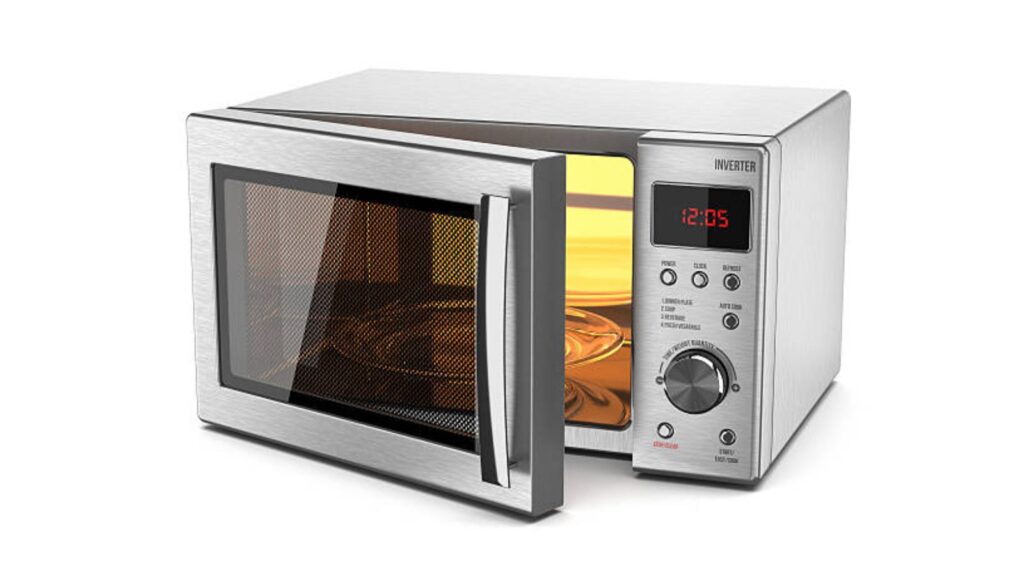

In the modern Indian kitchen, the microwave is often viewed with a mix of convenience and suspicion. To clear the air, the Indian Council of Medical Research (ICMR) and the National Institute of Nutrition (NIN), Hyderabad, have provided definitive clarity in their recent Dietary Guidelines for Indians.
If you’ve been worried that your microwave is “killing” the nutrients in your food, the latest expert findings suggest quite the opposite.
Harmless or Harmful? The Nutritional Verdict
According to the ICMR-NIN guidelines, there are minimal nutritional differences between foods prepared by conventional methods and those cooked in a microwave. In fact, because the microwave uses a “small amount of water and steams food from the inside-out,” it is actually one of the most effective ways to keep your food healthy.
The guidelines highlight three key reasons why microwave cooking is a nutritional winner:
- No Leaching: Because the process requires very little water, nutrients aren’t washed away (leached) as they often are during boiling.
- Preservation of Heat-Sensitive Vitamins: Nutrients like Vitamin C break down when exposed to heat for long periods. Since microwave cooking times are significantly shorter, these delicate nutrients are better preserved.
- Minimal Impact on Macros: The impact of microwaves on essential proteins, lipids, vitamins, and minerals is described as “minimal.”
Microwave vs. Conventional Cooking
The primary difference lies in the speed and mechanism. Conventional cooking often involves longer exposure to high temperatures, which can damage nutrients. In contrast, the ICMR-NIN notes that because “cooking time is very less,” microwave cooking is actually “one of the least likely forms of cooking to damage nutrients.”
The Golden Rule: Use the Right Utensils
While the cooking method itself is deemed safe and effective, the experts issue a firm warning regarding what you put inside the machine. To ensure your meal remains healthy and free from chemical contamination, the guidelines recommend:
- Preferable: Use glass or microwave-safe ceramic vessels.
- Avoid: Plastic vessels should be avoided entirely during the microwaving process.
For health-conscious households, the message from India’s top nutrition authorities is clear: the microwave is a safe, efficient tool for the healthy Indian home. By choosing glass or ceramic over plastic, you can enjoy the speed of modern technology without compromising on the nutritional integrity of your daily meals.