

Rage Bait: The New Cash Cow on Social Media Exploiting Our Anger and Outrage for Profit
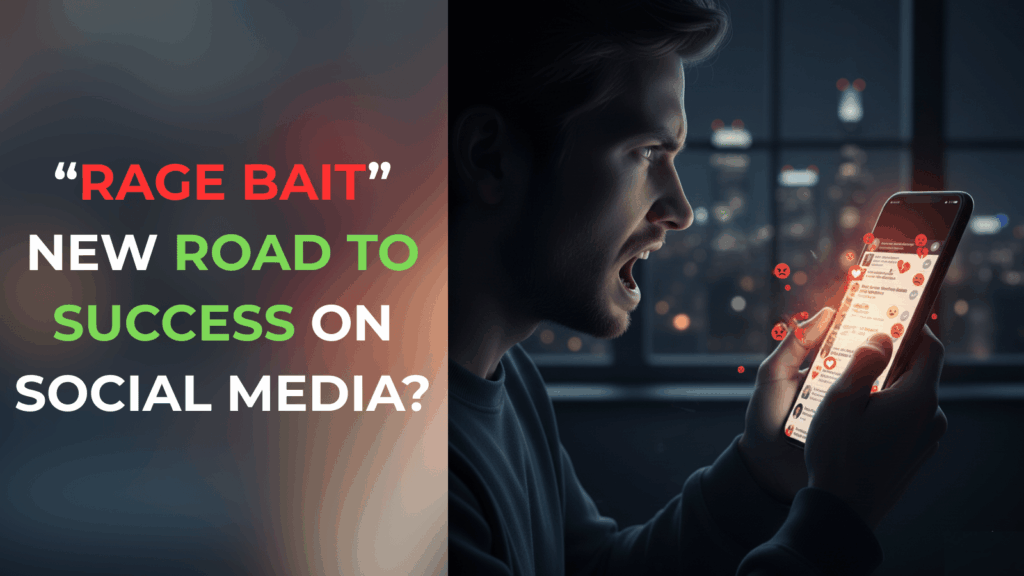

In the world of digital media, there is a currency more valuable than truth, more potent than logic, and far more profitable than nuance. That currency is Anger.
As an editor, I’ve seen the evolution of “Clickbait”, those curiosity-driven headlines that promised to reveal “the one secret doctors don’t want you to know.” It was annoying, but largely harmless. Today, clickbait has a much darker, more aggressive cousin that has taken over our feeds: Rage Bait.
If you’ve recently found yourself scrolling through a video that feels like a personal insult to your faith, your country, or your values, you aren’t just a witness to a “bad take.” You are a participant in a multi-million dollar business model.
The Word of the Year: A Symptom of a Culture
It is no coincidence that Oxford University Press named “Rage Bait” the Word of the Year for 2025. It has become the defining pulse of our digital interactions. More and more creators, those who have mastered the art of “Rage Farming”, are realizing that the quickest way to the top of the algorithm is to trigger a “fight-or-flight” response in the masses.
The Mechanics: How the “Trap” is Set
The strategy is deceptively simple and mathematically brilliant. It involves four key steps:
- Market Research on Sentiment: Creators identify what society is currently celebrating. Is it a nationalistic milestone? A religious festival? A sports victory?
- The Disruptive Counter-Move: They wait for the peak of this trend and then post content that is diametrically opposed to the popular sentiment. They don’t offer a “different perspective”; they offer a provocation.
- The goal isn’t to start a debate. It’s to trigger a “cacophony.”
- The Algorithmic Hijack: Platforms like YouTube, X, Instagram, and LinkedIn are “quality-blind.” They don’t care if a comment says “This is brilliant” or “I hate you for this.” Both are logged as “High Engagement.”
- The Monetization of Malice: As the masses rush to “correct” the creator in the comments, the algorithm interprets the volume of activity as a sign of high-value content. It then pushes the post to millions more, driving up ad revenue and follower counts.
Take high-profile influencers like Dhruv Rathee, for instance. While he often frames himself as an educator, his strategy frequently relies on creating a “disruption” in the ecosystem. By taking a stance that is often the polar opposite of a massive popular trend, he ensures a surge in engagement from both supporters and furious detractors. In the digital economy, a “hate-view” pays just as well as a “fan-view.”
The Social Psychology: Why We Can’t Look Away
Why do we engage when we know we’re being baited? The answer lies in our biology.
Research from Stanford and NYU shows that anger is the most “contagious” emotion online. When we encounter something that attacks our core identity, be it nationalism or religion, our amygdala (the brain’s threat-detection center) triggers a dopamine-cortisol loop.
“Algorithms love outrage, not nuance.”
We feel a moral obligation to defend our “tribe.” This is called the “Compulsion to Correct.” We think we are winning an argument, but we are actually just providing free labor to the creator’s engagement metrics.
Creators like Winta Zesu have reportedly earned hundreds of thousands of dollars by playing the “villain.” They have realized that being hated is significantly more profitable than being liked.
Is it Good or Bad for Society?
From a business standpoint, rage-baiting is “effective.” From a societal standpoint, it is a slow-acting poison.
- Erosion of Nuance: Complex issues are flattened into “us vs. them” narratives.
- The “Trash Dump” Scenario: As social media becomes a battlefield of engineered conflicts, people experience “Outrage Fatigue.” Eventually, users will stop trusting social media altogether, viewing it as a toxic landfill of manufactured fury.
- Real-World Consequences: Online rage doesn’t stay online. It polarizes families, divides cities like ours in Pune, and turns neighbors into ideological enemies.
Frequently Asked Questions: The Rage Bait Economy
1. What is the difference between clickbait and rage bait?
Clickbait plays on curiosity, like “You won’t believe what happened next.” Rage bait plays on your values and identity. Clickbait usually ends in mild disappointment. Rage bait is designed to provoke anger, insult your beliefs, or trigger moral outrage so you feel compelled to react.
2. Why do algorithms promote hateful or angry comments instead of stopping them?
Most algorithms are blind to emotion. Their main goal is to keep people on the app for as long as possible. From the system’s point of view, a comment section full of arguments is a success because people are scrolling, replying, and watching ads. The algorithm cannot clearly tell the difference between healthy discussion and online chaos.
3. Is rage bait illegal or just unethical?
In most cases, rage bait is legal because it is framed as opinion or free speech. However, it is unethical. It uses psychological tricks to bypass rational thinking and directly trigger fear or anger responses in the brain, all for attention and profit.
4. Why do I feel a strong urge to reply to rage bait posts?
This reaction is called the compulsion to correct. Humans are wired to defend their group, beliefs, or truth when they feel attacked. Rage bait exploits this instinct. Your body releases stress hormones when you see the post, and a small reward hit when you reply, even if the reply is angry.
5. How can I protect my social media feed from rage bait content?
Avoid reacting instantly. If a post makes you angry right away, pause and scroll past without clicking. Unfollow accounts that exist only to irritate you. Use mute features on platforms like X and LinkedIn to block keywords or creators. Avoid quote posting to “call someone out,” as this increases their reach.
6. Will social media platforms ever stop promoting rage bait?
This will only change if users demand better quality engagement, not just higher numbers. If people start leaving platforms because they feel frustrated and drained, platforms will be forced to act. Until then, users must actively control what they consume.
The Editor’s Verdict: Reels ≠ Research
As we move through 2025, we need to demand a qualitative shift in how platforms measure success. We need algorithms that can distinguish between meaningful dialogue and rage bait.
But until the platforms change, the power lies with you. The only way to win against a rage-baiter is to deny them your attention.
- Don’t comment to tell them they are wrong.
- Don’t share it to show others how “stupid” the post is.
- Don’t quote-tweet with a witty rebuttal.
In the Outrage Economy, silence is the only weapon that works.
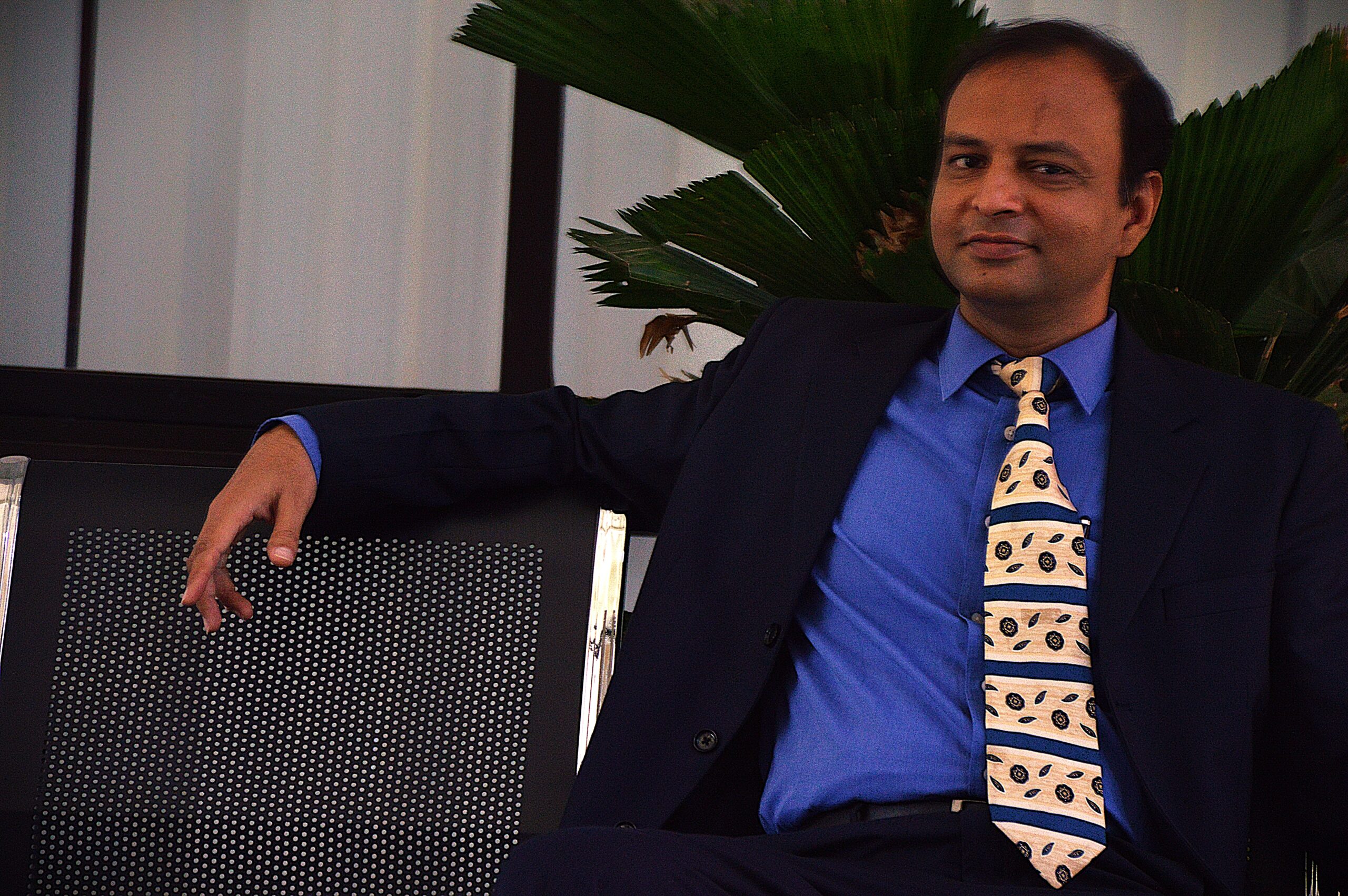
Vineet Gupta is the Founder and Managing Editor of MBA Study Point. He is an alumnus of the University of Wales, UK, where he completed his MBA. Along with his work across hospitality, finance, media, and academia, he has spent more than 14 years teaching MBA students at reputed institutions across India. His wide professional exposure and time spent observing people, workplaces, and cultures have shaped his interest in mindful living, leadership, and personal development. Through MBA Study Point, he brings together these experiences to help readers find clarity, balance, and practical wisdom for both career and life.







1 thought on “Rage Bait: The New Cash Cow on Social Media Exploiting Our Anger and Outrage for Profit”
Comments are closed.