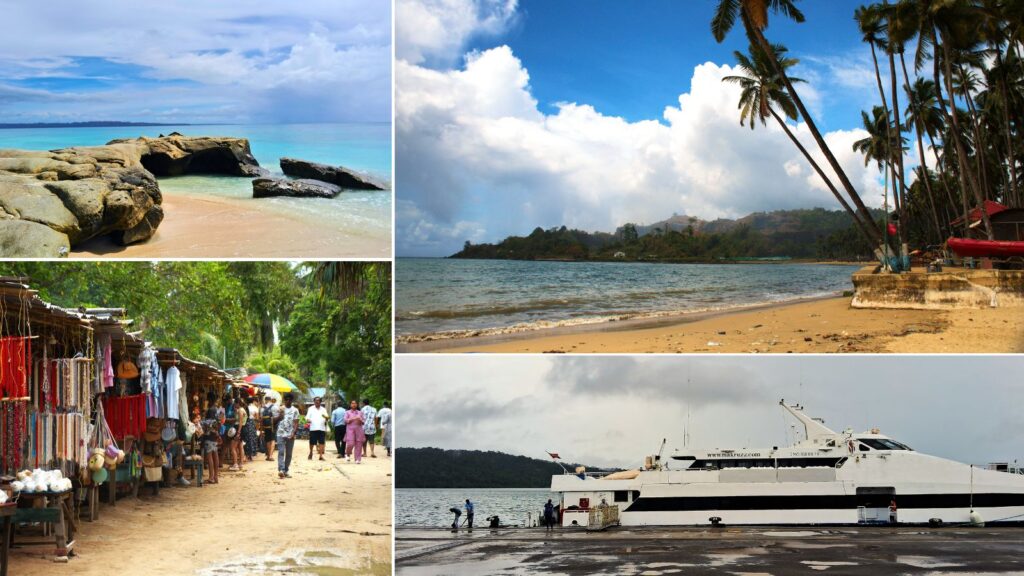

You’re scrolling through Instagram at 11 PM on a Tuesday. There it is, another photo of turquoise water so clear you can see the sandy bottom twenty feet out. White sand. A hammock strung between two palm trees. The caption is always something like “Paradise found 🌴☀️ #Maldives #BeachLife.”
You double-tap. You sigh. You think, “God, I need that.”
Summer is coming. The heat is already building. The itch for a vacation, a real one, with salt water and coconut water and absolutely zero emails, is becoming impossible to ignore. You start dreaming. Maybe this is the year. Maybe Bali. Maybe Phuket. Maybe those overwater bungalows in the Maldives you’ve been saving on a Pinterest board since 2019.
Then reality hits.
First, there’s the passport situation. You check the appointment portal, the earliest slot at the Passport Seva Kendra is three months away. Rush fee? Expedited? Doesn’t exist.
Fine. You have a passport. Next: visa. You open the website for Thailand’s e-visa. The form asks for hotel bookings before you have a visa. Bank statements from the last six months. A scanned copy of every blank page in your passport. A letter from your employer. By the time you’ve uploaded the fifteenth document, your excitement has curdled into resentment.
But okay. You push through. Visa pending.
Now flights. You check Google Flights. Delhi to Phuket? ₹38,000. Mumbai to Bali? ₹45,000. And that’s economy. That’s with a layover in Kuala Lumpur where you’ll sprint through an unfamiliar airport praying your bags made the connection.
Currency exchange. Data roaming packs. Adapters for outlets that don’t look like yours. Travel insurance that might or might not cover “political unrest” because, well, you’ve seen the news.
And speaking of the news.
You can’t escape it. Every morning, another headline. Flights grounded here. Protests there. A travel advisory for this region. A warning for that one. You tell yourself it’s fine, it’s far away, it won’t affect you. But somewhere in your gut, a tiny knot has formed. The kind you don’t talk about but can’t quite ignore.
Is this really the right time for an international trip?
This is the Great Indian Traveler’s Dilemma of 2024. The desire for an exotic escape has never been stronger. The barriers, practical, financial, psychological, have never felt higher. You’re caught between the dream of turquoise water and the reality of a world that feels increasingly unpredictable.
Here’s the thing nobody tells you: You don’t have to choose.
There’s a place where the water is that exact shade of turquoise. Where the sand is so white it reflects the sun like snow. Where you can scuba dive among coral reefs teeming with sea turtles and parrotfish. Where you can kayak through bioluminescent water that glows with every paddle stroke. Where you can stand at the edge of Asia and watch the sun set into the Indian Ocean like a burning coin.
It’s called the Andaman and Nicobar Islands.
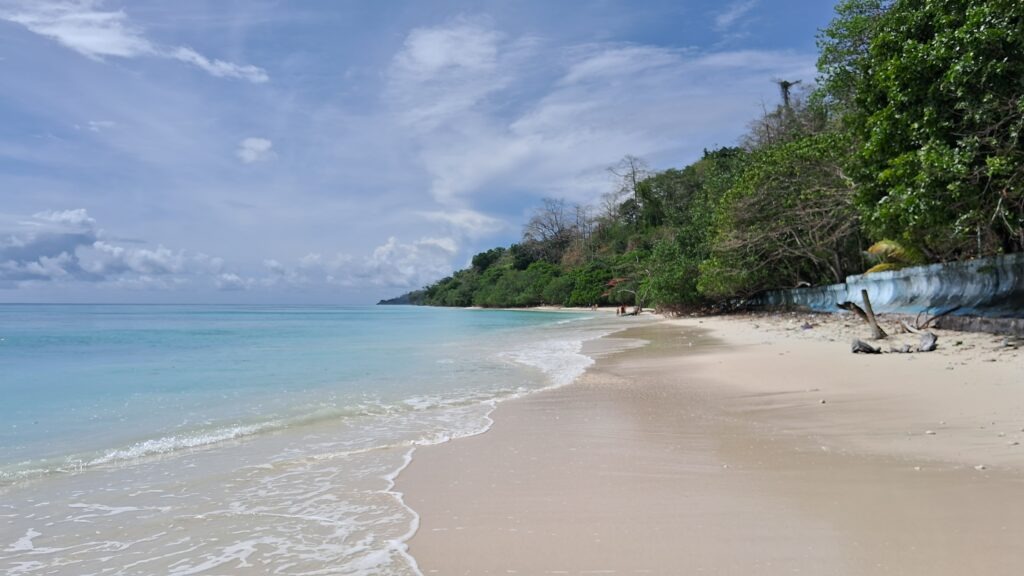
And it’s India.
No passport required. No visa applications. No currency exchange. No language barriers. No worrying about what happens if a flight gets canceled in a country where you don’t speak the language and don’t know your rights. No knot in your gut.
Just you, the ocean, and the knowledge that you’re standing on Indian soil, even if it looks and feels like a postcard from the other side of the world.
In the next few minutes, I’m going to show you why Andaman isn’t just an alternative to those international beach destinations. It’s the smarter choice. The safer choice. And honestly? The more beautiful choice than half of them.
Whether you’re a solo traveler chasing adventure, a couple looking for romance, or a family wanting to create memories without the airport migraines, this guide is for you. I’ll cover exactly what makes these islands special, why this summer is the perfect time to visit, and how to plan a trip that’s as stress-free as it is spectacular.
Because paradise shouldn’t require a passport.
And this summer, yours is closer than you think.
Meet the Solution: Andaman & Nicobar – India’s Best-Kept Secret (Until Now)
Let’s be honest. When someone says “domestic travel,” what pops into your head? Probably Goa. Maybe Kerala backwaters. A hill station in North India packed with fellow tourists taking the same photo at the same viewpoint.
These are wonderful places. But they’re not exotic. Not in the way you’re craving.
Now close your eyes for a second. (Okay, finish reading this sentence first.)
Imagine an archipelago of 572 islands scattered across the Bay of Bengal like emerald droplets spilled on a blue silk saree. Only about 38 of them are inhabited. The rest remain covered in dense tropical rainforest, surrounded by coral reefs that have never been touched by human feet. The indigenous tribes who live here have called these islands home for thousands of years, living in harmony with the ocean in ways modernity has long forgotten.
This is Andaman and Nicobar.
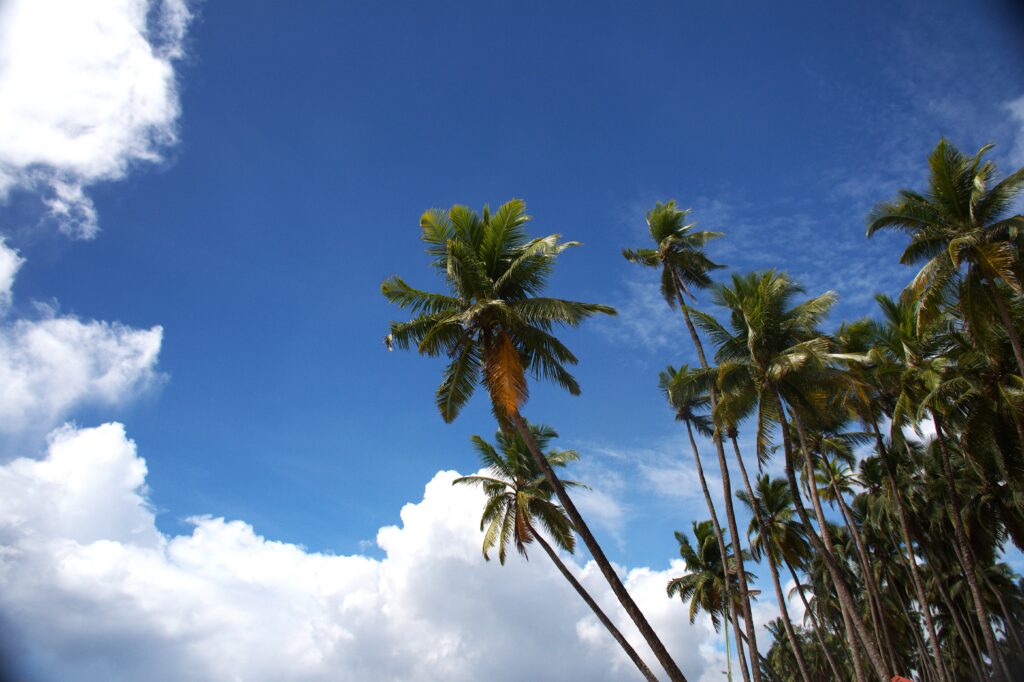
Geographically, it’s closer to Myanmar and Indonesia than to mainland India. Port Blair, the capital, is roughly 1,400 kilometers from Chennai but only 550 kilometers from Yangon. This proximity to Southeast Asia is exactly why it feels like a different country. The coconut trees lean differently here. The sunsets paint the sky in shades you don’t see back home. The ocean isn’t the Arabian Sea you know from Mumbai or Goa, it’s the Andaman Sea, a body of water that stretches all the way to Thailand and Malaysia, carrying with it the same currents, the same marine life, the same island energy.
Here’s the part that stops people mid-scroll:
You don’t need a passport. You don’t need a visa. You don’t need to exchange rupees for dollars or baht or rupiah. You don’t need to learn phrases in a foreign language or download translation apps. You don’t need to worry about whether your Indian SIM card will work, whether your Indian health insurance will cover you, or what happens if your flight gets canceled and you’re stuck in an airport in a country where you don’t know your passenger rights.
You just need an ID. Aadhaar card. Voter ID. That’s it.
You fly from Chennai, Kolkata, Bangalore, or Hyderabad, direct flights or quick connections, and about two hours later, you step off the plane into tropical air so thick and sweet it feels like a hug. You walk through an airport that looks like any other Indian airport, with signs in Hindi and English, with officials who speak your language, with currency you already understand.
And then you step outside.
And you’re in paradise.
The Geography of Wonder
Let me give you a quick lay of the land because understanding the layout helps you understand the magic.
The Andaman & Nicobar Islands stretch over 800 kilometers from north to south, but the areas tourists visit are concentrated in a relatively small, accessible cluster.
Port Blair is your gateway. It’s where you’ll fly into, and it’s worth spending at least a day here. Not because the beaches here are the best, they’re not, but because this is where you absorb the history and soul of the islands. The Cellular Jail stands as a silent monument to India’s freedom struggle, its seven wings spreading like a nightmare. Watch the light and sound show in the evening. It’s touristy, yes. It’s also genuinely moving, a reminder that these beautiful islands have a complicated, profound history.
Havelock Island (officially Swaraj Dweep) is where the postcard images come from. This is the crown jewel. Radhanagar Beach has been voted Asia’s best beach by Time magazine, and for once, the hype is justified. The sand is so fine it squeaks under your feet. The water transitions from clear to turquoise to deep blue in gradients you can see from the shore. You’ll find yourself just standing there, staring, wondering if someone photoshopped reality.
Neil Island (officially Shaheed Dweep) is Havelock’s smaller, sleepier cousin. Fewer crowds, more relaxed vibe, beaches that rival anything you’ll find in the more famous spots. Bharatpur Beach offers coral viewing just meters from the shore. Sitapur Beach is where you’ll want to watch the sunrise because it faces east, and the morning light turns the water into liquid gold.
Baratang Island is an adventure unto itself. Between Port Blair and Havelock, this island offers limestone caves formed over millions of years, accessible through mangrove creeks that feel like scenes from Apocalypse Now. You’ll take a boat through dense forests where crocodiles bask on mudbanks, completely indifferent to your presence. It’s raw, wild, and unforgettable.
And then there are the restricted islands, the ones reserved for indigenous tribes or protected as biosphere reserves. You can’t visit them, and you shouldn’t want to. Their existence reminds you that some places remain untouched, that wilderness still exists on its own terms.
Why “Domestic” Feels So Wrong (And Why It’s Actually Right)
I get it. The word “domestic” feels limiting. It feels like compromise. Like settling for second best when what you really want is the real thing.
Here’s the revelation that changes everything:
Andaman is the real thing.
The water clarity at Havelock rivals the Maldives. The coral diversity at Neil Island competes with Thailand’s best dive sites. The limestone caves at Baratang would be a major attraction if they were in Vietnam or Laos. The bioluminescence, microorganisms that glow when disturbed, creates magical night kayaking experiences that people pay thousands of dollars to see in Puerto Rico.
The difference? You don’t need a passport to see it.
Think about what that actually means for your vacation experience:
Zero pre-trip stress. No passport renewal panic. No visa document collection. No wondering if your application will be rejected because you once overstayed a layover by six hours. You book flights. You pack bags. You go.
Zero arrival friction. You land, clear domestic arrivals (which takes maybe 15 minutes), and you’re done. No immigration queues. No questions about return tickets or hotel bookings or “purpose of visit.” No official stamping your passport and deciding, on a whim, whether you get 30 days or 15.
Zero currency confusion. The price tag you see is the price tag you pay. No mental math converting baht to rupees. No getting ripped off because you didn’t realize the zeroes meant something different. No arriving at a restaurant and discovering your “budget meal” costs triple because you misunderstood the exchange rate.
Zero language anxiety. Everyone speaks Hindi or English or both. You can ask for directions, order food, negotiate prices, and make friends without hand gestures and Google Translate. The comfort of being understood is impossible to overstate until you’ve spent a week in a country where you can’t read the menu.
Zero safety uncertainty. You know the system. You know that if something goes wrong, medical emergency, lost luggage, missed connection, you have rights. You know which numbers to call. You know the police actually work for you, not against you. That baseline level of safety and predictability is the foundation upon which true relaxation is built.
This isn’t about patriotism. It’s not about “supporting domestic tourism” or any slogan. It’s about recognizing that the barriers to international travel right now are real, and that the alternative isn’t a downgrade, it’s a different path to the same destination.
The water is still turquoise. The sand is still white. The sun still sets over the ocean in a blaze of orange and pink.
And when you’re floating on your back in the warm Andaman Sea, staring up at a sky with no light pollution, you won’t be thinking about passports or visas or geopolitics.
You’ll just be thinking: This is perfect.
Beyond the Brochure: The Experiences That Make Andaman Unforgettable
Anyone can write a list of places to visit. Radhanagar Beach. Cellular Jail. Ross Island. You’ll find those names in every travel guide, every blog post, every Instagram caption.
But here’s what those lists don’t tell you: Andaman isn’t a place you just see. It’s a place you feel. It gets under your skin in ways you don’t expect, and it stays there long after you’ve returned to the chaos of mainland life.
Let me walk you through the experiences that transform a good trip into an unforgettable one. These are the moments you’ll still be describing to friends months later, the ones that make you stop mid-sentence just to sigh and say, “I need to go back.”
The Water That Glows: Kayaking Through Bioluminescence
It’s 8 PM on Havelock Island. The moon hasn’t risen yet, and the sky is so packed with stars it looks like someone spilled a bag of glitter across black velvet. You’re sitting in a kayak with a guide who’s been doing this for a decade, and he’s just explained that you’re about to witness something most people don’t believe exists.
You paddle into the mangrove creeks. The water is black, utterly black, and then –
Every time your paddle dips into the water, it erupts in blue-green light. Every stroke leaves a trail of glowing stars behind you. Fish dart away from your kayak, leaving comet trails of bioluminescence. You dip your hand in, and when you lift it out, your fingers are dripping with light.
This is no special effect. It’s no app filter. It’s dinoflagellates, microscopic plankton that emit light when disturbed. They exist in only a handful of places on Earth, and Havelock’s sheltered creeks are one of them.
You’ll laugh. You’ll gasp. You’ll probably cry a little. Everyone does. There’s something primal about witnessing this, something that connects you to the ancient human wonder at the natural world. For those 90 minutes on the water, you’re not a tourist. You’re just a person, utterly amazed, paddling through liquid starlight.
Pro tip: Book this for a moonless night. The darker the sky, the brighter the glow. And bring a waterproof camera, though no photo will ever capture what your eyes will see.
Breathing Underwater: Scuba Diving for First-Timers
Let me address the fear right now: Yes, you’ll be nervous. Everyone is. The idea of strapping a metal tank to your back and sinking beneath the surface goes against every survival instinct you possess.
Here’s what actually happens:
You’ll show up at a dive center on Havelock. The instructors, sun-browned, calm, impossibly patient, will walk you through everything. How to breathe through the regulator. How to clear your mask if water gets in. How to equalize your ears as you descend. You’ll practice in shallow water until you’re comfortable.
Then you’ll start descending.
For the first thirty seconds, your brain will scream at you. What are you doing? Breathe! Wait, you ARE breathing. Okay. But still, this is weird. This is wrong. Humans don’t belong here.
And then you look down.
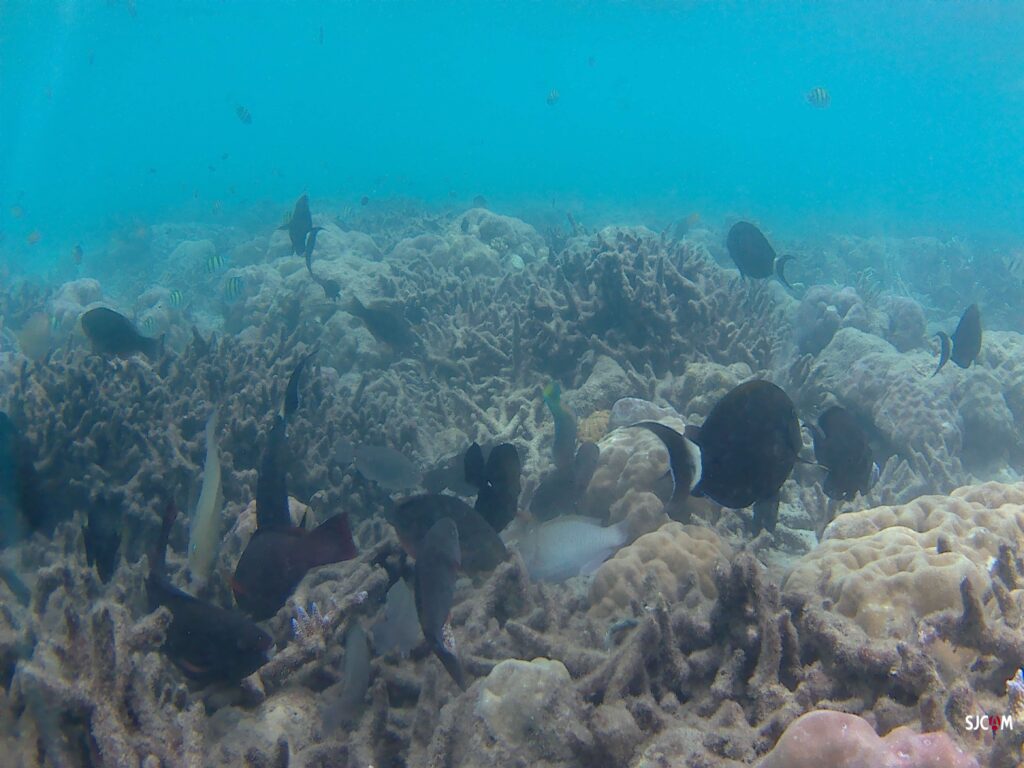
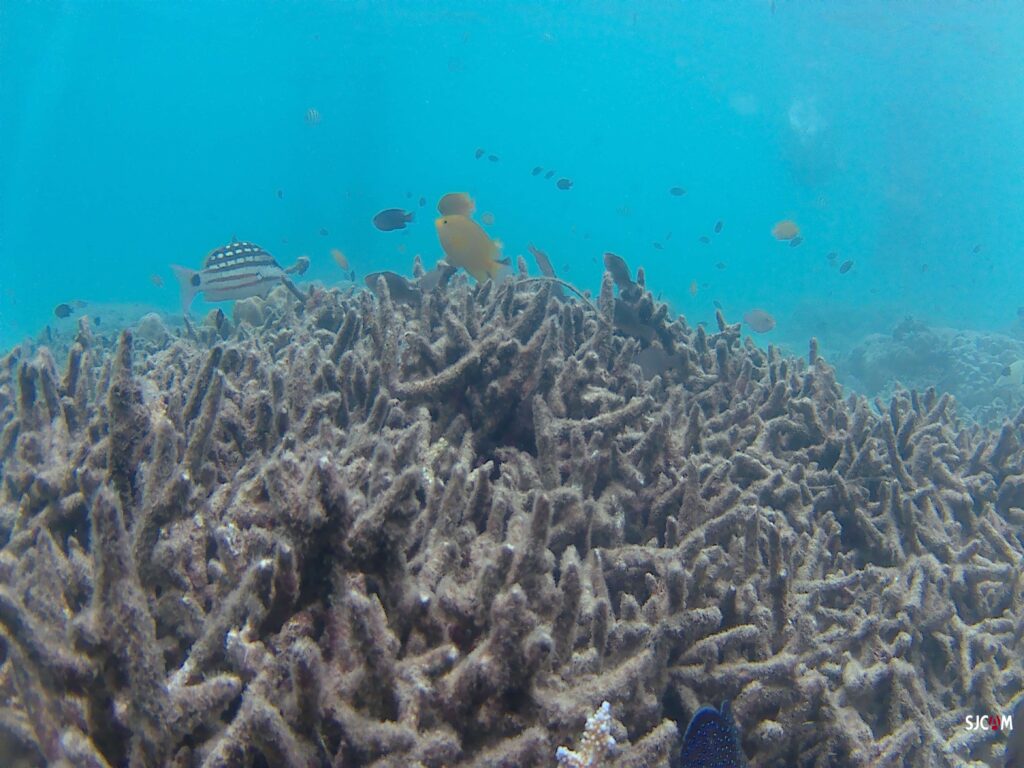
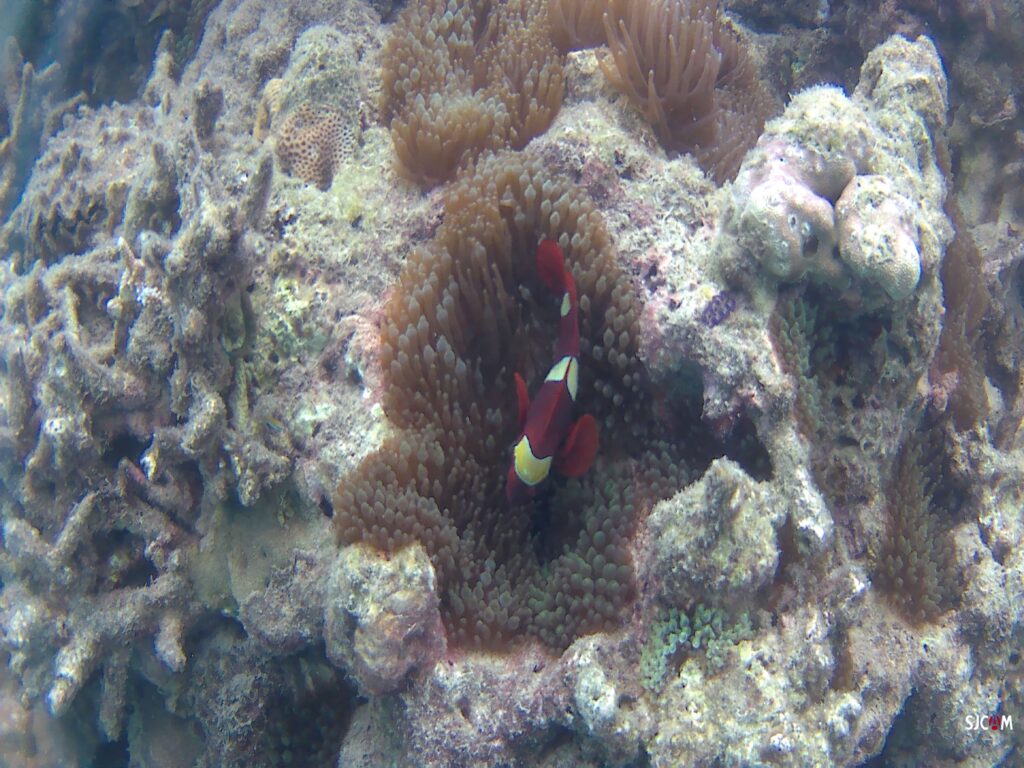
Thirty feet below the surface, the world opens up. Coral formations in colors you didn’t know existed, purples and reds and oranges and blues, stretch in every direction. A sea turtle glides past you, close enough to touch (you won’t, because touching damages their protective coating, but the proximity takes your breath away). Schools of fish part around you like curtains. Anemones wave their tentacles in the current, clownfish darting in and out like they’re showing off.
And the silence.
Underwater, there’s nothing but your own breathing, the rhythmic hiss of the regulator, the sound of bubbles rising past your ears. It’s meditation. It’s flight. It’s the closest you’ll ever come to visiting another planet.
The Andaman waters host over 200 species of coral and 1,000 species of fish. You don’t need to know their names to appreciate them. You just need to be present, floating in the blue, watching a world that exists parallel to yours, completely indifferent to your presence.
For non-swimmers: Sea walking is your answer. You wear a heavy helmet with an air hose, walk down a ladder onto the seabed, and breathe normally while fish swim around your face. No swimming required. No fear required. Just wonder.
The Sunset You’ll Never Forget: Chidiya Tapu
Every travel destination claims to have the “best sunset.” Most are lying. Chidiya Tapu isn’t.
This is a small village about 30 minutes from Port Blair, and it faces west over the open ocean with nothing between you and Africa except water. Around 4:30 PM, the photographers start arriving. By 5, every rocky outcrop has someone sitting on it, waiting.
Then it happens.
The sun doesn’t just set here. It performs. It turns the sky into a gradient from gold to orange to pink to purple to deep blue, all reflected in water so calm it acts like a mirror. Birds, hundreds of them, the “Chidiya” that give the place its name, return to the mangroves in waves, their calls filling the air. The light changes every thirty seconds, each moment more beautiful than the last, until finally the last sliver of sun dips below the horizon and the whole world exhales.
You’ll sit there afterward, not wanting to move. Someone will start clapping, it happens almost every evening, spontaneous applause for nature’s show. You’ll clap too.
Then you’ll walk back to your cab in the dark, fireflies blinking in the bushes along the road, and you’ll realize you just experienced something you’ll chase for the rest of your life.
History That Haunts: The Cellular Jail at Night
During the day, the Cellular Jail is a museum. Important, educational, worth seeing. You’ll walk through its corridors, read about the freedom fighters imprisoned here, nod solemnly, and move on.
At night, it becomes something else.
The light and sound show starts after dark. You sit in the open courtyard, surrounded by the seven wings of the jail, and the story begins. Lights illuminate different sections as the narrative unfolds, the construction of the jail, the conditions prisoners endured, the hunger strikes, the executions, the eventual release.

And here’s the thing: you’ll feel it.
The British built this jail specifically to break spirits. The seven wings radiate from a central tower so no prisoner could see another, so no communication was possible. Solitary confinement wasn’t a punishment here, it was the design. Prisoners like Veer Savarkar spent years in cells measuring 4.5 by 2.7 meters, with no books, no conversation, no human contact except with guards who viewed them as less than human.
By the time the show ends and the lights come up, you’ll understand something you couldn’t have learned from a textbook. Freedom isn’t abstract. It’s not just a word in the Preamble. It’s the ability to walk out of that jail when you want to, to breathe air that isn’t filtered through iron bars, to see the sky without it being cut into squares by a cell window.
The Cellular Jail could have been demolished after independence. Thank god it wasn’t. It stands as a reminder that paradise has a past, that beauty and brutality can coexist, that the islands you’re enjoying came at a cost paid by people whose names you’ll never know.
The Accidental Moments
Here’s the secret no guidebook tells you: the planned experiences are wonderful, but the unplanned ones are what you’ll remember.
The chai you drink at a roadside shack on Neil Island, served by an old man who insists on showing you photos of his grandchildren. The conversation with a fellow traveler at a beach cafe, swapping stories and recommendations that lead you to a hidden spot not marked on any map. The sudden rain shower that forces you to take shelter under a palm frond, laughing as you get soaked anyway. The dog that adopts you for an afternoon, walking beside you on the beach like an old friend.
These moments happen constantly in Andaman. The pace here is slower. The people are genuinely warm, not the performative warmth of hospitality industries, but the real thing. You’re a guest in their home, and they want you to feel welcome.
A fisherman will wave from his boat. A child will run up to show you the shell she found. A shopkeeper will spend twenty minutes helping you choose the perfect souvenir, then charge you less than you expected because “you’re a nice person.”
This is the Andaman that doesn’t make it onto Instagram. It’s also the Andaman that will call you back.
Why Summer Is Actually Perfect
Everyone says “avoid summer, too hot.” Everyone is wrong about Andaman.
Here’s the reality: Andaman has a tropical climate, which means it’s warm year-round. But summer (February to May) offers something the monsoon months can’t: predictability.
The seas are calm. The skies are clear. The visibility underwater is at its absolute best, up to 30 meters on good days. The bioluminescence is most active in warmer waters. The sunsets are consistently spectacular because there are no clouds to block them.
Yes, it’s warm. 30-32°C during the day. But here’s what the “avoid summer” crowd forgets: you’re spending your days in the water. You’ll swim, snorkel, dive, kayak. You’ll be wet more than you’re dry. And in the evenings, the sea breeze makes even the warmest day comfortable.
Plus, summer means longer days. More sunlight equals more time on the water, more sunsets, more memories.
The crowds? Minimal compared to winter. You’ll share Radhanagar Beach with dozens instead of hundreds. You’ll have dive sites almost to yourself. You’ll book restaurants without waiting.
Summer in Andaman isn’t a compromise. It’s the sweet spot.
But Wait, Let’s Address the Questions You Haven’t Asked (But Definitely Have)
By now, you’re probably sold on the idea of Andaman. The turquoise water. The glowing plankton. The sea turtles. The no-passport magic.
But there’s a part of your brain, the practical, responsible, adult part, that’s still raising objections. Questions you might not even have fully formed yet, but they’re there, lurking beneath the excitement.
Is it really safe? Will I get bored after three days? What about the food, am I going to survive on fish and rice for a week? How much is this actually going to cost? Can I do this with my family? My parents? My toddler?
Let’s tackle every single one.
The Safety Question: “Is It Really Safe Right Now?”
This is the elephant in every travel conversation in 2024. And it deserves a direct answer.
Yes. Andaman is safe. Not “safe for a domestic trip” safe. Not “safe compared to international options” safe. Genuinely, objectively, statistically safe.
Here’s why:
Geographic insulation. The islands are 1,400 kilometers from the mainland, surrounded by the Bay of Bengal. They’re not on any border. They’re not near any conflict zones. They’re not even on the way to anywhere tense. Geopolitically, they’re about as removed from global unrest as it’s possible to be while remaining on planet Earth.
Strong administrative presence. As a Union Territory with significant strategic importance, Andaman has a robust administrative and security apparatus. The kind of petty crime that plagues tourist destinations elsewhere, pickpocketing, scams, late-night harassment, is virtually nonexistent here. Not because it’s suppressed, but because the social fabric doesn’t support it. Tourism is the lifeblood of these islands, and the community understands that a bad experience spreads faster than a good one.
The “Indian advantage.” Remember that knot in your gut about international travel? The one that whispers “what if something goes wrong”? In Andaman, that knot doesn’t exist. If you lose your wallet, you call the police and they speak your language. If you need a doctor, you walk into a clinic and they accept your Indian insurance. If your flight gets canceled, you know your rights under DGCA regulations. That baseline familiarity isn’t just convenience, it’s genuine safety.
For solo travelers, especially women: Andaman is one of the most solo-traveler-friendly destinations in India. The hostel culture is growing. Group tours are easy to join. Locals are accustomed to independent travelers and treat them with respect rather than suspicion. Use standard precautions, don’t wander isolated beaches alone at night, keep your valuables secure, but the overall vibe is relaxed and welcoming.
The Boredom Question: “Won’t I Run Out of Things to Do?”
This is the fear of anyone planning a beach vacation: what if “relaxing” turns into “restless” by day three?
Valid concern. Here’s why it doesn’t apply to Andaman:
Island hopping. You’re not confined to one beach. Port Blair, Havelock, Neil, Baratang, Ross, North Bay, each island offers a different flavor. You can spend a week here and visit a new island every day, each with its own character, its own beaches, its own adventures.
Activity diversity. Water sports, yes. But also trekking through rainforests. Also visiting historical sites. Also interacting with local communities. Also watching sunrise at one beach and sunset at another. Also photography workshops (unofficial, just you and your camera). Also doing absolutely nothing for an entire day because you’ve earned it.
The underwater world. Here’s the thing about scuba diving: once you start, you won’t want to stop. Each dive site is different. Each depth reveals new life. Each day in the water teaches you something new about the ocean and yourself. Certified divers can spend weeks exploring Andaman’s sites. Beginners can do their open water certification here, four days of learning that transforms “tourist” into “diver.”
Slow travel potential. The best Andaman visitors don’t try to do everything. They pick one or two islands and stay. They learn the rhythms of the place. They become regulars at a beach shack. They make friends with local fishermen. They read books in hammocks. If you’re the type who needs constant stimulation, Andaman can provide it. If you’re the type who wants to disappear into a place, Andaman welcomes that too.
The Food Question: “What Will I Eat?”
Let’s be honest: Indian travelers have strong opinions about food. The fear of surviving on unfamiliar cuisine for a week is real.
Here’s the good news: Andaman’s food scene is surprisingly diverse and thoroughly delicious.
Seafood, obviously. Fresh catch every day. Grilled fish with local spices. Prawn curry that will ruin you for mainland versions. Crab, lobster, squid, everything in between. If you eat seafood, you’ll be in heaven.
But what if you don’t eat seafood? No problem. Andaman’s population includes significant communities from Tamil Nadu, Andhra Pradesh, and North India. You’ll find dosas and idlis for breakfast, biryani for lunch, roti-sabzi for dinner. Bengali influence means macher jhol (fish curry) is common, but vegetarian options are plentiful. South Indian thalis. North Indian curries. Even decent pizza and pasta in tourist hubs.
The street food scene. Chai stalls everywhere. Pakoras in the evening. Fresh coconut water sold from roadside carts. Grilled corn with chili and lime. Small bakeries offering local sweets. You won’t go hungry.
Restaurant tips: On Havelock, you’ll find everything from backpacker cafes to sit-down restaurants. On Neil, the options are simpler but satisfying. In Port Blair, you get proper city dining. Budget ₹500-800 per person per day for decent meals, less if you eat local, more if you want fancy.
The Budget Question: “How Much Will This Actually Cost?”
Let’s talk numbers. Real numbers, not blog-post approximations.
Flights: Round trip from Chennai or Kolkata to Port Blair: ₹8,000-15,000 depending on season and how early you book. From Delhi or Mumbai, expect ₹15,000-25,000 with a connection.
Ferries between islands: Government ferries are cheap (₹200-500 per person) but book up fast. Private ferries (Makruzz, Green Ocean) cost ₹1,500-3,000 per person but are faster and more reliable. Book private ferries in advance online.
Accommodation: Hostel dorms: ₹800-1,500 per night. Budget hotels: ₹2,000-4,000. Mid-range resorts: ₹5,000-8,000. Luxury: ₹10,000+. Havelock is more expensive than Port Blair or Neil.
Activities: Scuba diving (trial for beginners): ₹3,500-5,000. Certified dive: ₹3,000-4,000 per dive. Bioluminescence kayaking: ₹2,000-3,000. Snorkeling trips: ₹1,500-2,500. Sea walking: ₹3,500-4,500.
Total budget estimate: For a comfortable 6-night/7-day trip including flights, mid-range hotels, and a couple of activities: ₹50,000-70,000 per person. For budget travelers staying in hostels and taking government ferries: ₹30,000-40,000. For luxury with premium resorts and private transfers: ₹1,00,000+.
Compare that to Maldives (minimum ₹1,50,000 for anything decent) or Thailand (₹80,000-1,00,000 with visa stress), and Andaman starts looking like the smart financial choice too.
The Family Question: “Can I Bring Kids? Elderly Parents?”
Absolutely. Andaman works for multigenerational travel better than most beach destinations.
For kids: Shallow waters at beaches like Bharatpur (Neil) and Elephant Beach (Havelock) are perfect for wading and beginner snorkeling. Glass-bottom boat rides let them see coral without getting wet. The Cellular Jail tour is educational without being too heavy for older kids. And honestly? Kids just need sand and water. Andaman has both in abundance.
For elderly parents: Choose activities wisely. Skip the trek to limestone caves (too much walking). Opt for private ferries (more comfortable). Book accommodations close to beaches. Consider hiring a private cab for sightseeing rather than group tours. Port Blair and Neil Island are flatter and easier to navigate than Havelock’s more rugged terrain.
For couples: Everything. Honeymoon packages abound. Private dinner on the beach. Couples spa treatments. Sunset cruises. Romantic beach walks. Andaman knows how to do romance.
The Connectivity Question: “Will I Have Phone Signal? Internet?”
Partially yes, and honestly, partially no, and that’s not a bad thing.
Phone coverage: BSNL and Airtel work in most populated areas. Jio has decent coverage in Port Blair and Havelock, spotty elsewhere. You’ll have signal in your hotel, at restaurants, on main beaches.
Internet: Available at most accommodations and cafes. Speed varies. Don’t plan to stream 4K video or join Zoom calls. Do plan to check emails, post Instagram stories, and message family.
The digital detox: Here’s the secret: the patchy connectivity is actually a gift. It forces you to disconnect. To look up from your screen. To be present. After two days, you’ll stop reaching for your phone every five minutes. After a week, you’ll dread returning to the always-connected world.
Embrace the partial disconnection. It’s part of the Andaman experience.
The Packing Question: “What Do I Actually Need?”
Keep it simple:
Essentials: Light cotton clothes. Swimwear (multiple sets, they dry slow in humidity). Good sunscreen (reef-safe if possible, to protect the coral). Hat. Sunglasses. Flip-flops. Water shoes (essential for rocky beaches and coral areas).
Nice to have: Underwater camera or GoPro (rentals available but expensive). Power bank (electricity is reliable but you’ll use your phone more for photos). Basic medications (pharmacies exist but bring your regular prescriptions). Reusable water bottle (stay hydrated, reduce plastic).
Leave behind: Fancy jewelry. Heels. Heavy luggage (you’ll carry it on and off ferries). Expectations of luxury (the islands are developing, not developed).
The Responsible Travel Question: “How Do I Not Mess This Place Up?”
This matters. Andaman’s ecosystem is fragile. Coral reefs take decades to grow and minutes to destroy. Here’s how to be a good guest:
Don’t touch the coral. Not while snorkeling. Not while diving. Not even “just to feel it.” The oils on your skin kill coral polyps. Look with your eyes, not your hands.
Use reef-safe sunscreen. Regular sunscreen washes off and bleaches coral. Brands with zinc oxide or titanium dioxide (instead of oxybenzone and octinoxate) are available online. Bring them.
Don’t feed the fish. It disrupts their natural behavior and makes them dependent on humans.
Take your trash with you. Especially on remote beaches. Especially plastic.
Respect local communities. Ask before photographing people. Dress modestly outside beach areas. Support local businesses rather than big chains.
Don’t take shells or sand. It’s tempting. It’s also illegal and ecologically damaging. Leave souvenirs for your eyes and camera only.
Frequently Asked Questions About Visiting Andaman & Nicobar Islands
No, Indian citizens do not need a passport to visit the Andaman and Nicobar Islands. A valid government-issued ID such as an Aadhaar card, Voter ID, or driver’s license is sufficient for travel. This makes Andaman one of the few tropical island destinations accessible to Indians without passport or visa requirements.
The best time to visit Andaman is from October to May. For summer travel specifically, February to May offers calm seas, excellent visibility for scuba diving (up to 30 meters), active bioluminescence, and minimal rainfall. Temperatures range from 30-32°C, but constant water activities make it comfortable.
6 to 8 days is the ideal duration for an Andaman trip. A standard itinerary includes 2 days in Port Blair, 3 days in Havelock Island, and 1-2 days in Neil Island. This allows time for sightseeing, water activities, and genuine relaxation without feeling rushed.
Havelock is better for adventure seekers, scuba diving, and vibrant nightlife, with Asia’s best beach (Radhanagar) and numerous water sports. Neil Island is better for those seeking tranquility, fewer crowds, and a slower pace, with beautiful beaches like Bharatpur and Sitapur. Most visitors combine both.
Yes, scuba diving is very safe for beginners in Andaman. Reputable dive centers on Havelock and Neil Islands offer professional instruction, thorough safety briefings, and shallow-water practice before deeper dives. No prior experience is required, and non-swimmers can opt for sea walking instead.
A 7-day Andaman trip for a couple typically costs between ₹70,000 to ₹1,20,000 depending on preferences. This includes round-trip flights from major cities, mid-range accommodation, private ferry transfers, select water activities like scuba diving or kayaking, and meals. Budget options start at ₹50,000, while luxury trips exceed ₹1,50,000.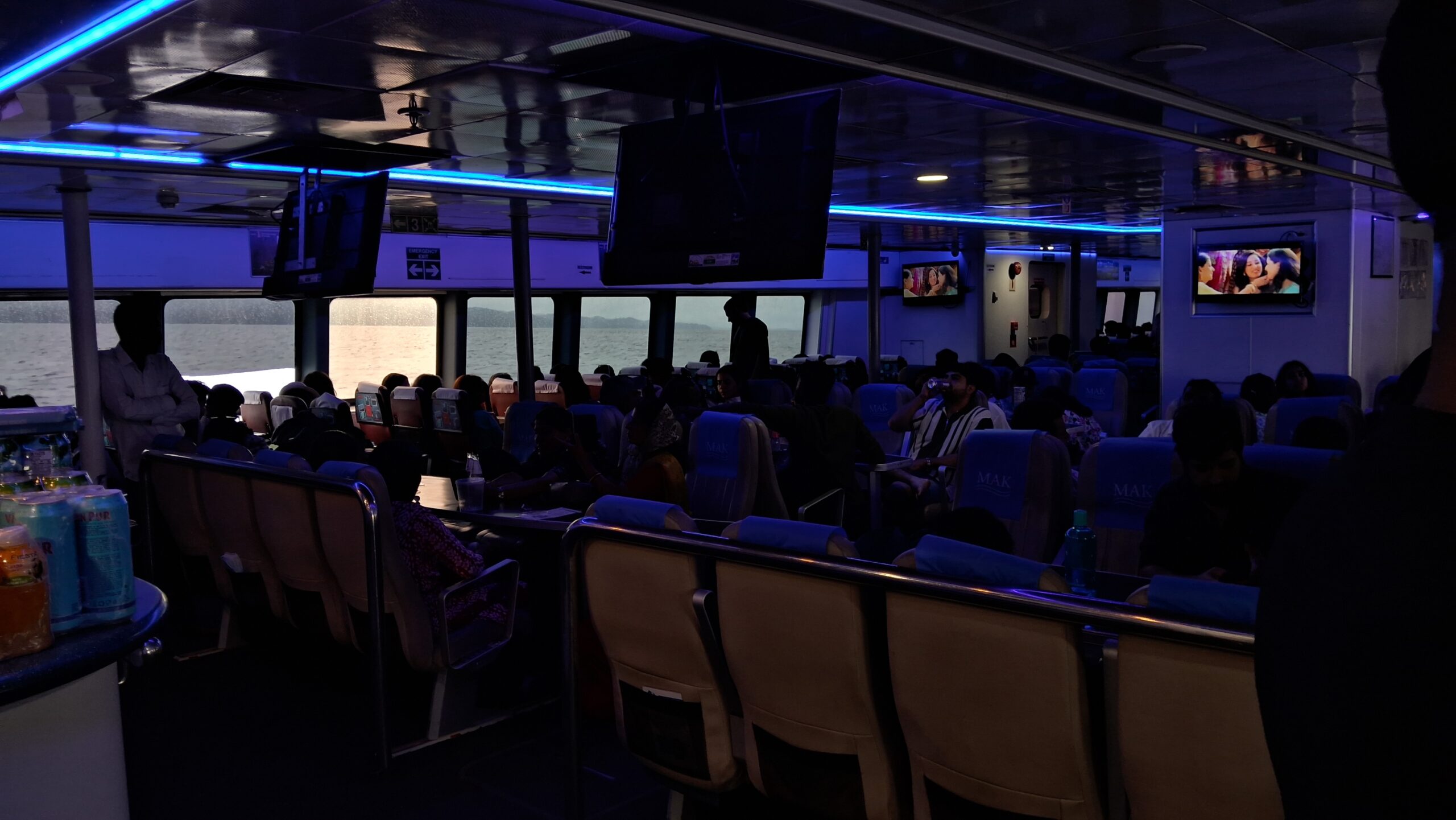
Bioluminescence is visible year-round in Andaman but is brightest during warmer months (February to September) and on moonless nights. The phenomenon occurs in sheltered mangrove creeks on Havelock Island, where microscopic dinoflagellates glow when disturbed. Book kayaking tours during new moon phases for the best experience.
Hindi, English, Bengali, and Tamil are the primary languages spoken in Andaman’s tourist areas. Hindi and English are universally understood in hotels, restaurants, and tour operations, making communication easy for most Indian travelers. Local indigenous tribes speak their own languages but inhabit restricted areas.
Yes, Port Blair’s Veer Savarkar International Airport receives direct flights from Chennai, Kolkata, Bangalore, and Hyderabad. Flight duration is approximately 2-2.5 hours from Chennai and Kolkata. Delhi and Mumbai require connecting flights via these cities, with total travel time around 5-6 hours.
Yes, Andaman is considered very safe for solo female travelers compared to many international and domestic destinations. The local population is welcoming, crime rates against tourists are extremely low, and there’s a growing community of solo travelers. Standard precautions apply—avoid isolated beaches after dark and use trusted transportation.
Andaman offers a truly tropical island experience that Goa and Kerala cannot match. The water clarity rivals international destinations, with visibility up to 30 meters for diving. The isolation provides a sense of escape, while the marine biodiversity—coral reefs, sea turtles, bioluminescence—creates experiences found nowhere else in India.
Indian citizens do not need any special permits to visit the main tourist islands—Port Blair, Havelock, and Neil Island. Certain restricted areas (some tribal reserves and Nicobar districts) require permits, but these are not part of standard tourist itineraries. Foreign nationals require a Restricted Area Permit, easily obtained on arrival.

Your Indian Ocean Awaits, No Passport Required
Let’s circle back to where we started.
Remember that 11 PM Instagram scroll? The double-tap on the turquoise water? The sigh that escaped your lips before you even realized it?
That wasn’t just wanderlust. That was a message from somewhere deep inside you, the part that knows life is meant to be lived, not just managed. The part that understands experiences matter more than possessions. The part that refuses to let another summer slip by without doing something that makes you feel truly, completely alive.
For months, maybe years, you’ve been telling yourself that paradise is somewhere else. Somewhere far. Somewhere expensive. Somewhere that requires a passport, a visa, a currency exchange, a leap into the unknown that feels just slightly out of reach.
But here’s the truth that changes everything:
Paradise has been here all along.
The Andaman and Nicobar Islands aren’t just a “domestic alternative” to international travel. They’re not a consolation prize or a compromise. They’re a destination that stands on its own, a place of genuine wonder that rivals anything you’ll find in the Maldives, Thailand, or Bali.
Think about what you now know:
The water at Radhanagar Beach is so clear you can count the ripples in the sand fifteen feet down. The bioluminescence in Havelock’s mangroves turns midnight into magic. The coral reefs hold more life and color than most people see in a lifetime of travel. The sunsets at Chidiya Tapu will ruin you for every sunset that follows.
And through it all, you never once worried about your passport expiring. Never once stressed about visa approvals. Never once did mental math converting currencies. Never once felt that knot in your gut when the news flashes a travel warning for a country you’re about to visit.
You just… relaxed. Really, truly relaxed. The kind of relaxation that only comes when your subconscious knows you’re safe.
This Summer, Be the Person Who Actually Goes
We all know someone who’s been “planning” a trip to Andaman for years. They have the Pinterest board. They’ve watched the YouTube videos. They can tell you exactly when they’ll go, someday, eventually, when the timing is right.
Don’t be that person.
The timing will never be perfectly right. There will always be reasons to wait. Work will always be busy. Money will always have other places to go. The world will always have something to worry about.
But summer won’t wait. The calm seas won’t wait. The bioluminescence won’t wait for your schedule to clear up.
The only thing standing between you and those turquoise waters is a decision.
Your Next Steps
If this guide has stirred something in you, if you can already feel the warm Andaman Sea on your skin, here’s what to do next:
Share this with your people. Travel is better together. Send this article to your partner, your best friend, your sibling, your parents. Say the words: “Let’s do this. This summer. Andaman.”
Start the conversation. Drop it in your family WhatsApp group. Mention it at dinner. Bring it up with that friend who’s also been dreaming of an escape. The moment you speak a dream aloud, it becomes more real.
Bookmark this guide. When you’re ready to plan, next week, next month, whenever, you’ll have everything you need. The destinations, the activities, the budgets, the answers to every question.
Follow your curiosity. If something in this article sparked particular interest, the bioluminescence, the diving, the history, go deeper. Research it. Watch videos. Read more. Let the excitement build.
A Final Thought
There’s a reason the Cellular Jail prisoners called the Andaman Islands “Kala Pani”, the black waters. For them, it was a place of exile, of suffering, of separation from everything they loved.
For you, it can be something else entirely.
Freedom. Wonder. Discovery. Peace.
The same waters that once held people captive now await you as a guest. The same islands that represented punishment for freedom fighters represent paradise for free citizens.
That’s not just travel. That’s perspective. That’s history coming full circle. That’s the opportunity to experience something beautiful while never forgetting the price others paid so you could.
This summer, give yourself the gift of turquoise water, white sand, and the profound relief of knowing you’re home even when you’re far away.
Andaman is waiting.
No passport required.