
Warm Hands, Sparkling Dishes: Essential Kitchen Winter Tips for a Pain-Free Season
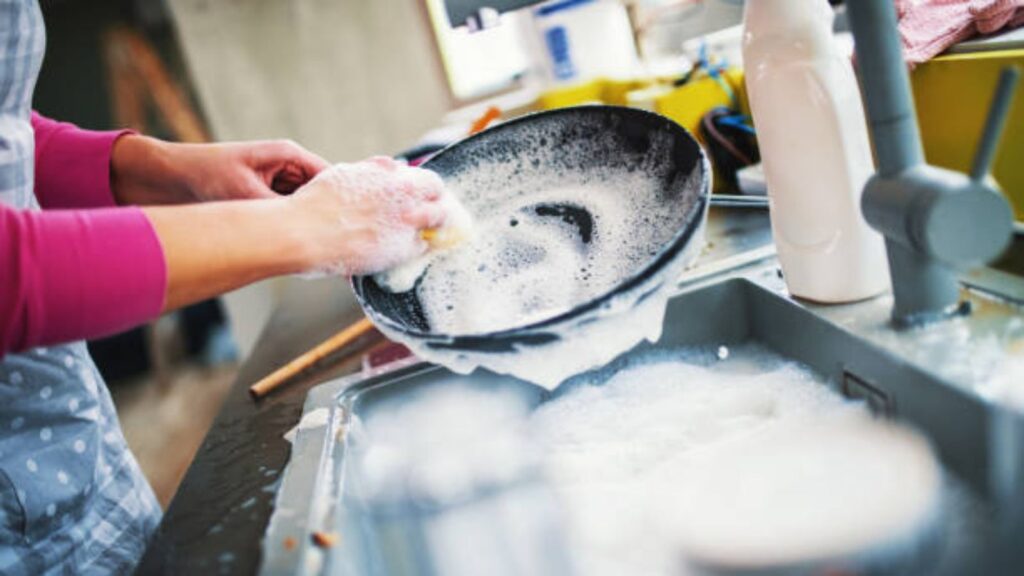

Winter in India brings a refreshing chill and the joy of seasonal delicacies, but for those managing a household, it also brings a recurring nightmare: washing dishes. As the temperature drops, the water running through our kitchen taps becomes ice-cold. For many, this leads to numb fingers, stiff joints, and even cracked skin.
If you find yourself procrastinating over a sink full of dishes or dreading the morning cleanup, you aren’t alone. However, kitchen chores don’t have to be a form of winter punishment. By implementing a few smart Kitchen Winter Tips, you can protect your hands and speed up your workflow.
1. The Shield of Protection: Invest in Quality Rubber Gloves
The most effective way to combat the cold is to prevent your skin from ever touching the water. Rubber gloves are a game-changer for winter kitchen management.
- Thermal Barrier: High-quality rubber or silicone gloves act as an insulator, keeping the natural warmth of your hands trapped inside while blocking the freezing external temperature.
- Skin Health: Constant exposure to water and harsh detergents strips the skin of its natural oils, leading to “winter eczema” or painful cracks. Gloves keep your hands dry and soft.
- Better Grip: Cold, numb fingers lose their dexterity, making it easy to drop and break expensive glassware. The textured surface of gloves provides a superior grip.
Pro-Tip: Ensure you hang your gloves to dry completely after use to prevent fungal growth or unpleasant odors.
2. The Power of Pre-Soaking in Warm Water
One of the best Kitchen Winter Tips is to work smarter, not harder. Instead of scrubbing stubborn grease with cold water, use the “Soak Method.”
Fill a small tub or your sink with hot water and a few drops of dish soap. Submerge your utensils for 5–10 minutes. The heat helps break down food particles and grease instantly. When you finally sit down to wash them, the grime will slide right off, significantly reducing the amount of time your hands spend under the tap.
3. Use Lukewarm Water for the Final Rinse
You don’t need boiling water to get clean dishes; in fact, extreme heat can damage your skin and some delicate utensils. Aim for lukewarm water. It is comfortable for the hands and highly effective at rinsing away soap residue. This small adjustment makes the chore feel less like a task and more like a soothing routine.
4. Choose High-Efficiency Dishwashing Liquids
In winter, every second your hand is in the water counts. If you are using a low-quality soap that requires excessive scrubbing to create lather, you are keeping your hands in the cold for longer than necessary.
Switch to a high-concentrate dishwashing liquid. These formulas are designed to cut through grease rapidly, meaning you can clean a plate in one or two swipes rather than five. Less time in the water means less numbness in your fingers.
5. Strategic Timing: When to Wash?
The temperature of tap water fluctuates throughout the day. Early mornings and late nights are usually the coldest periods. If your schedule allows, try to shift your dishwashing routine to the afternoon or early evening when the ambient temperature is slightly higher.
If you must wash dishes in the morning, ensure you have your warm water supply ready before you start, so you don’t have to wait for the pipes to clear the initial “ice-cold” surge.
6. Post-Wash Hand Care
Your routine shouldn’t end at the drying rack. The transition from cold water to dry air can be brutal on your skin.
- Dry Thoroughly: Always use a soft towel to pat your hands dry immediately.
- Moisturize: Apply a thick moisturizer, hand cream, or traditional coconut oil right after washing. This locks in moisture and prevents the “tight” feeling that leads to cracking.
7. Don’t Let the Pile Grow
It’s tempting to leave the dishes for “later” when it’s cold, but a mountain of dishes requires a marathon session in the water. One of the most practical Kitchen Winter Tips is to wash in small batches. Cleaning two mugs and a plate takes 60 seconds—hardly enough time for your hands to get cold. Keeping the sink clear prevents the dread of a massive, freezing task later in the day.
Conclusion
Winter should be about enjoying the cozy vibes, not suffering through chores. By using gloves, soaking your dishes, and maintaining a solid post-wash skincare routine, you can keep your hands warm and healthy. These simple adjustments will ensure that your kitchen remains a place of joy rather than a source of winter discomfort.