

There’s a moment on the winding road up to Amboli Ghat when the world goes quiet. The cacophony of the city fades, replaced by the rhythmic drumming of rain on the roof and the distant, thunderous roar of a waterfall. As you climb higher into the Sahyadri Hills, the air turns cool and carries the scent of wet earth and blooming vegetation. A thick, white blanket of mist rolls over the road, and for a second, you can’t see more than a few feet ahead. Then, as quickly as it arrived, the fog parts to reveal a spectacular valley draped in fifty shades of green.
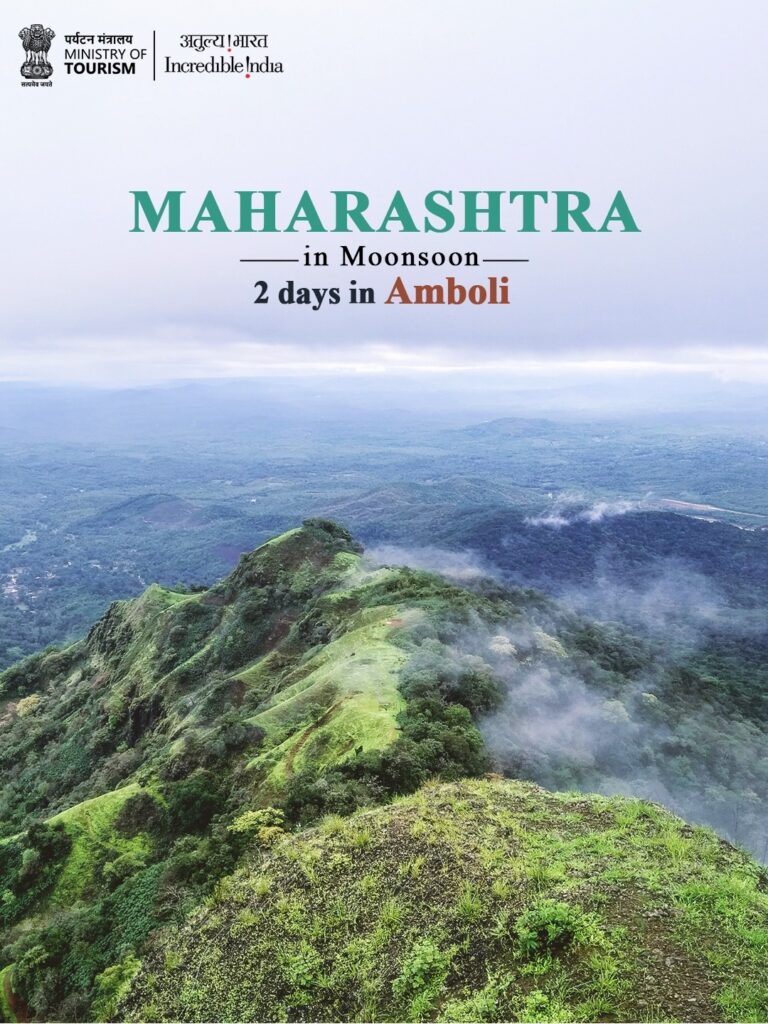
This is Amboli—the last hill station before the Konkan coast, and a place that feels more like a living, breathing painting than just another weekend getaway. Often called the “Cherrapunji of Maharashtra” due to its heavy annual rainfall, this little town in the Sindhudurg district is a haven for those who find joy in the pitter-patter of rain and the sight of clouds floating at eye level. It’s not just a place you visit; it’s an experience you feel.
I’ve driven up these ghats more times than I can count, and the magic never fades. Whether you’re a nature enthusiast, a photographer chasing the perfect shot, a family seeking a fun monsoon outing, or just someone who needs a break from the routine, Amboli has something special waiting for you. To help you plan the perfect trip, I’ve put together a guide to seven experiences that make this destination unforgettable.
Here is your quick overview of what to expect from the key spots:
| Destination | Approx. Distance from Amboli Town | Best For |
|---|---|---|
| Amboli Waterfall | 3 km | Experiencing the power of the monsoon |
| Kavlesad Point | 8 km | Cloud-kissing valley views |
| Nangarta Falls | 10 km | Spectacular, raw waterfall scenery |
| Hiranyakeshi Temple | 5 km | Spirituality and unique biodiversity |
| Madhavgad Fort | 2.5 km | History and panoramic sunsets |
| Shirgaonkar Point | 3 km | Sunrise and birdwatching |
| Sunset Point | 1 km | The perfect end to a perfect day |
1. Witness the Power of Amboli Waterfall
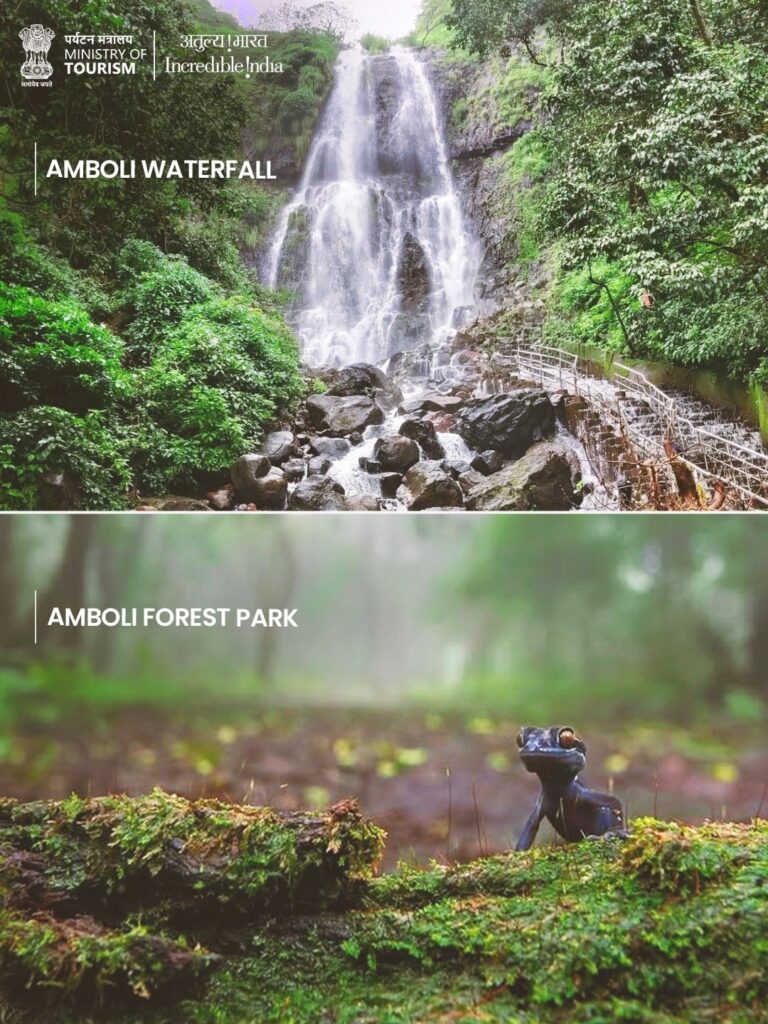
You haven’t truly arrived in Amboli until you’ve seen the main Amboli Waterfall in its full, thunderous glory. It’s right there on the busy Kolhapur-Goa highway, a mere 3 kilometres from the main bus stand, and it’s a sight that stops you in your tracks.
During the monsoon months, this isn’t just a waterfall; it’s a force of nature. Water gushes down the rocky terrain with immense power, creating a cloud of cool mist that envelops the area. You’ll feel the spray on your face long before you reach the viewpoint. A short flight of steps leads you to the base, where you can stand and admire the spectacle. Street vendors are a common sight nearby, setting up stalls selling hot onion bhajis, roasted corn, and piping hot tea—the perfect way to warm up after getting drenched in the mist.
- Ideal Visitor Type: Anyone and everyone. It’s the town’s most accessible and impressive sight.
- Travel Tip: Wear shoes with a good grip. The rocks and steps can be incredibly slippery during the rains. Keep a safe distance from the edge.
2. Stand Above the Clouds at Kavlesad Point
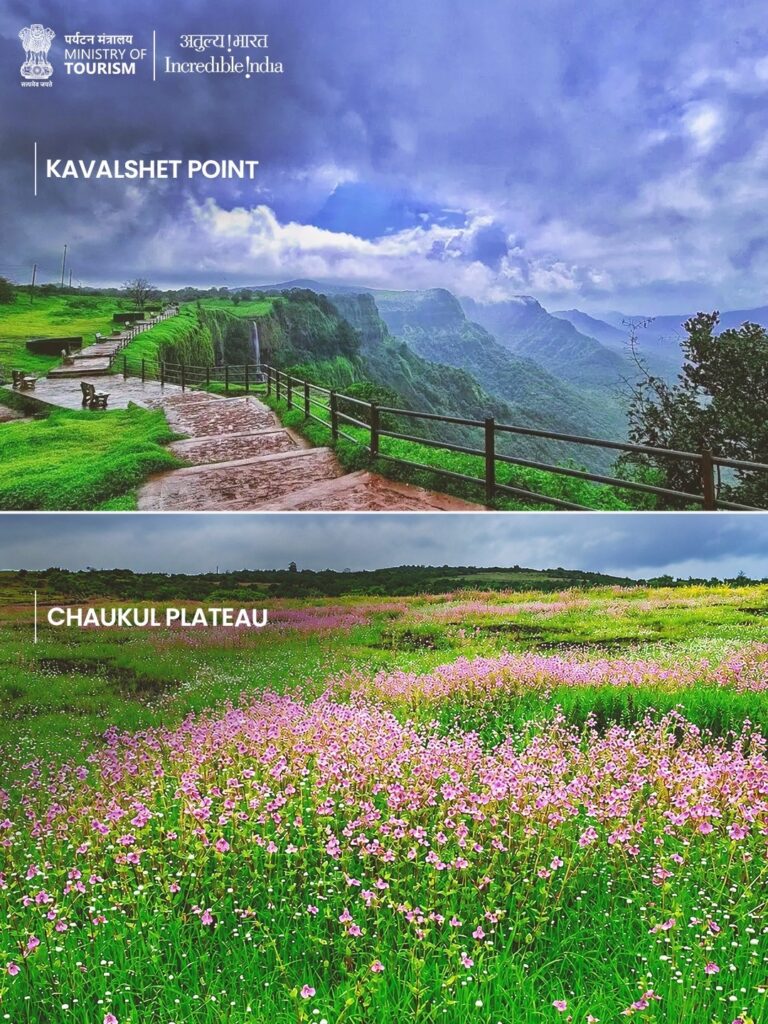
If there’s one place you must go to understand Amboli’s magic, it’s Kavlesad Point. Situated around 8 kilometres from the main town, this viewpoint is famous for its breathtaking, almost dreamlike vistas.
The moment you arrive, you might find the valley below completely hidden under a thick, fluffy blanket of clouds. It feels like you’re standing on the top of the world, looking out over a sea of white cotton. As the clouds shift and part, you get fleeting glimpses of deep gorges, other hills, and tiny waterfalls trickling down the slopes. It’s a photographer’s paradise and a perfect spot to just sit and lose yourself in nature’s theatre. Many tour operators include a night trail here for wildlife spotting, as the area is teeming with life.
- Ideal Visitor Type: Nature lovers, photographers, and anyone looking for a peaceful spot to contemplate.
- Travel Tip: The roads to the viewpoint can get slippery. It’s best to visit with a local driver or as part of a tour that knows the route well.
3. Explore the Untamed Beauty of Nangarta Falls
While the main waterfall gets most of the attention, a little drive of about 10 kilometres towards the state highway brings you to the dramatic and less-crowded Nangarta Falls.
This isn’t a place you wade into. Instead, Nangarta Falls is a spectacle you observe and admire from designated viewing platforms. The water emerges from a narrow gorge and plummets from a height of about 40 feet, creating a loud, thunderous roar that echoes through the valley. It plunges into a beautiful, deep ravine, making it a fantastic spot for photography. The sheer raw power of the water, combined with the surrounding greenery, makes this a favourite for those who want to get off the main tourist trail.
- Travel Tip: The viewing area and bridge are safe, but visitors should always be careful and not climb over any railings.
- Ideal Visitor Type: Explorers, photographers, and those wanting a less commercial waterfall experience.
4. Discover the Sacred and Serene Hiranyakeshi Temple
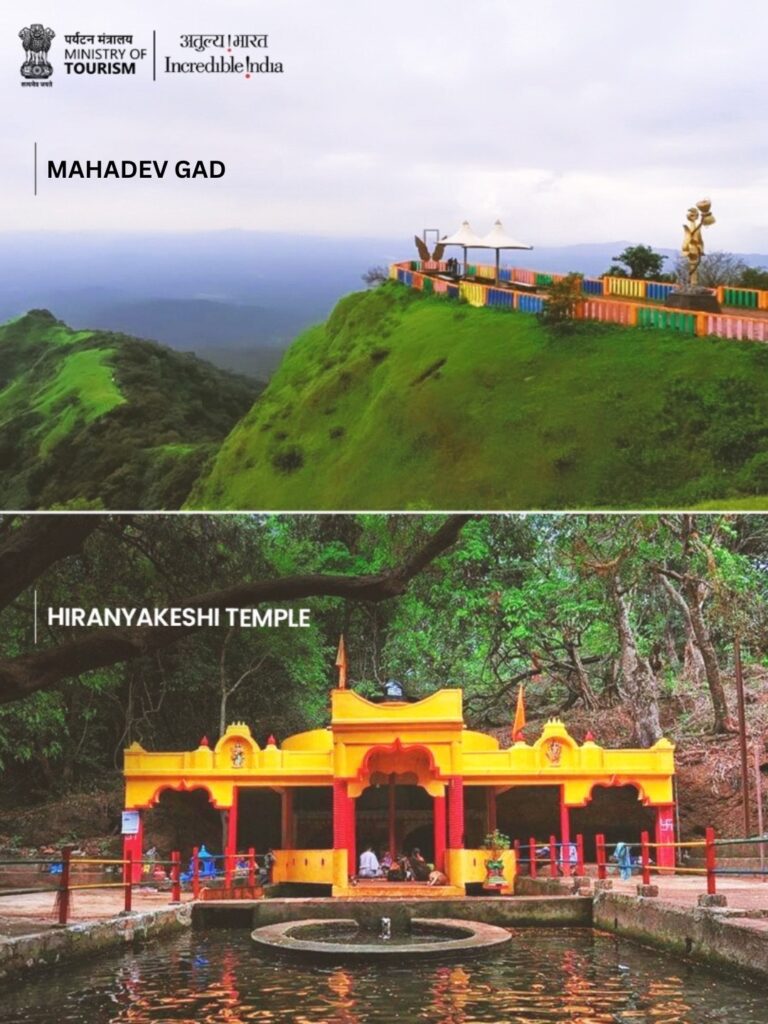
A visit to Amboli offers a beautiful blend of nature and spirituality. About 5 kilometres from town, the Hiranyakeshi Temple is a sacred site where the spiritual and the natural worlds converge.
The temple is dedicated to Lord Shiva and is built around the very cave from which the Hiranyakeshi River originates. You can watch the water emerge from within the limestone cave, forming a small, serene pool before flowing onwards. This spot is incredibly peaceful, surrounded by dense forest, making it ideal for a moment of quiet reflection. It’s also a fascinating location for nature lovers, as the “devkund” (sacred pond) here is a biodiversity hotspot and home to an endemic species of fish, the Schistura Hiranyakeshi, found nowhere else in the world.
- Ideal Visitor Type: Spiritual seekers, history buffs, and nature enthusiasts.
- Travel Tip: It’s a short walk from the parking area to the temple. The cave area can be dark and damp, so carry a torch if you want to peek inside.
5. A Step Back in Time at Madhavgad Fort
For a dose of history with your scenery, head to Madhavgad Fort, perched just 2.5 kilometres from the main bus stop. Though the fort itself is in ruins, it holds a significant place in the region’s past, serving as a summer retreat for the Sawant Bhonsle dynasty and later as a British-era transit point.
A short trek up to the top rewards you with some of the most spectacular panoramic views in the area. On a clear day, or when the clouds part, the view stretches for miles, and it’s said you can even see the Arabian Sea on the horizon. The cool breeze at the top is incredibly refreshing, making it an ideal spot for a picnic or to watch the sunset.
- Ideal Visitor Type: History enthusiasts, trekkers, and those seeking the best views.
- Travel Tip: The fort is in ruins, so be careful while exploring the old structures. Wear sturdy shoes for the short climb.
6. Catch the Sunrise at Shirgaonkar Point
Sunrise and sunset points are a staple of any hill station, and Amboli is no exception. For a truly magical start to your day, head to Shirgaonkar Point, a popular viewpoint just 3 kilometres from the town.
This spot is a haven for photographers and early risers. As the sun begins to rise, the sky is painted in hues of orange, pink, and purple, providing a spectacular contrast against the dark, lush green hills. The valley below slowly comes to life as the mist begins to clear. It’s also an excellent spot for birdwatching, as many local and migratory bird species can be seen here during the early hours.
- Ideal Visitor Type: Photographers, birdwatchers, and early-morning explorers.
- Travel Tip: It gets quite windy, so carry a light jacket. Bring a thermos of hot coffee or tea to sip while you watch the world wake up.
7. End Your Evening at the Iconic Sunset Point
After a day of exploring, there’s no better way to wind down than by watching the sunset from the dedicated Sunset Point. It’s just a kilometre from the town centre in the direction of Sawantwadi, making it a lovely and easy evening stroll for everyone.
This spot is exactly what it promises to be. As the sun dips below the horizon, the sky explodes in a vibrant display of colours—a perfect backdrop for a romantic walk, some quiet reflection, or simply enjoying the cool evening breeze with your loved ones. The sight of the sun sinking into the valley, leaving a golden glow, is a moment of pure joy.
- Ideal Visitor Type: Couples, families, and anyone wanting a peaceful end to their day.
- Travel Tip: It gets busy in the evenings, so head there a little early to snag a good spot.
How to Plan the Perfect Amboli Getaway
Planning a trip to Amboli is relatively straightforward, but knowing a few local secrets can make all the difference.
The Best Time to Visit
Amboli is a monsoon destination at heart. The months of June to September are when the hill station is at its most vibrant. The waterfalls are in full flow, the hills are lush green, and the magical misty atmosphere is guaranteed. The government even organizes a Monsoon Festival in August to celebrate the season. However, you should be prepared for heavy rain, potential road closures, and slippery conditions.
If you prefer clear skies and cool weather for sightseeing, the winter months (November to February) are more comfortable, though the waterfalls won’t be as spectacular.
Getting There:
The journey itself is an adventure. The nearest railway station is Sawantwadi Road, about 28-37 km away. The nearest airport is Goa Mopa (GOX) , approximately 30-45 km away, which is more convenient than Dabolim. However, the most scenic way to arrive is by road, driving through the winding, misty ghats from cities like Kolhapur, Belgaum, or Panjim.
What to Pack:
This is crucial. Don’t make the mistake of under-packing.
- Rain Gear: A quality waterproof jacket, an umbrella, and a cover for your backpack are non-negotiable.
- Footwear: Comfortable, sturdy shoes with a good grip for slippery trails.
- Extra Clothes: You will get wet. Carry extra clothes, especially if you plan to get close to a waterfall.
- Insect Repellent: The lush forests come with some eager insects.
- Camera: You’ll want to capture the magic, so bring your best camera and a waterproof case for it.
Final Thoughts
Amboli Ghat is more than just a place on a map. It’s a feeling. It’s the exhilarating thrill of standing before a thundering waterfall, the peaceful silence of being above the clouds, and the comforting taste of a hot, local meal after a day of adventure. It’s a place that reminds you of the raw, untamed beauty of the Western Ghats.
If you’ve been looking for a sign to plan your trip, this is it. Pack your bags, gather your friends or family, and point your car toward the hills. Amboli’s misty embrace and the rhythmic sound of rain are waiting to welcome you.
Frequently Asked Questions
1. Is Amboli a good place for a one-day trip?
Yes, it can be done. Many people drive up, visit the main waterfall and a viewpoint or two, and then head back. However, to truly appreciate the monsoon magic and explore more spots like Nangarta Falls and Hiranyakeshi Temple, a two-day trip is highly recommended.
2. Which is the best viewpoint in Amboli during monsoon?
Kavlesad Point is arguably the most spectacular due to the thick fog and clouds that roll into the valley. It offers an experience of being completely surrounded by mist. Shirgaonkar Point is also excellent for sunrise.
3. What kind of wildlife can I spot in Amboli?
Amboli is a biodiversity hotspot. You can spot various amphibians like the Malabar Gliding Frog and the Amboli Bush Frog, reptiles like the Malabar Pit Viper, over 200 species of birds, and many butterflies. Night trails and herping tours are very popular here.
4. Is it safe to drive to Amboli during heavy rain?
The roads are steep and the ghat section can have sharp hairpin bends. If you are not an experienced driver, it is best to hire a local cab. The roads can also get slippery, so drive carefully, honk on blind turns, and check the weather forecast before you leave. Start early to avoid driving in the dark.
5. What local food should I try in Amboli?
You must try the authentic Malvani cuisine. This includes Bhakri (millet bread), Amti (a spicy curry), and local seafood or mutton curries. Finish your meal with a glass of refreshing Sol Kadi, made from kokum and coconut milk.